“Chemical Recycling” Is a Toxic Trap
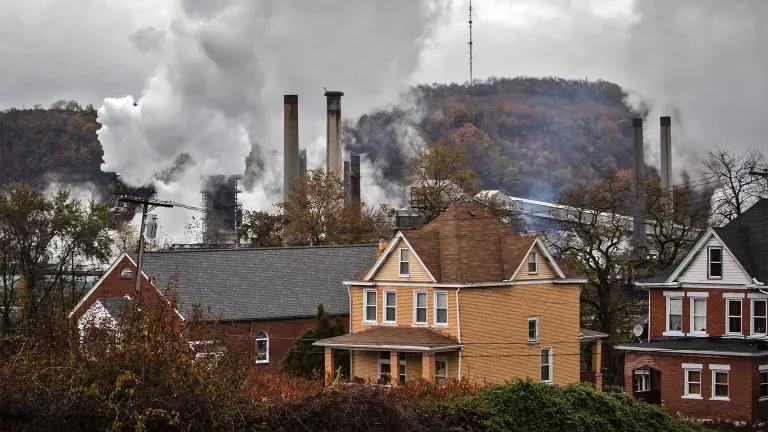
Chemical recycling is mostly plastic incineration and generates significant hazardous waste and pollution.

John Paraskevas/Newsday via Getty Images


Coauthored with Veena Singla, University of California, San Francisco
For decades, the plastics industry has promised that recycling would solve the problem of plastic waste, yet the plastics crisis continues to grow. The U.S. plastic recycling rate continues to hover around a dismal 5 percent. At the same time, global plastic use is projected to almost triple by 2060, relative to a 2019 baseline. Now the plastics industry is doubling down on its deceptive recycling claims—promoting incineration and other toxic methods for end-of-life plastic management under the misleading term “chemical recycling” (also greenwashed as “advanced recycling” and “molecular recycling”).
The truth is these approaches largely fail to recycle plastic. Their expanded use will only lead to more toxic pollution of our air and water and more plastic waste in landfills and incinerators. Meanwhile, the industry hopes that production of new plastic will continue to grow, unrestricted, because the public’s concerns will be eased by this new promise of “chemical recycling.”
NRDC has conducted analyses and released a series of issue briefs that expose the industry for what it is: a toxic trap.
Behind the chemical recycling curtain
The plastics industry is trying to convince the public that “chemical recycling” facilities are a clean and easy way to recycle plastic. We already know that “chemical recycling” only recycles a small amount of plastic waste and emits harmful pollutants. To further understand the threats posed, NRDC submitted public records requests for information about hazardous chemicals at these facilities across the United States. The responses revealed that “chemical recycling” facilities use and store large amounts of hazardous chemicals that are cancer causing and acutely toxic and that raise the risk of spills, fires, and explosions.
Learn More


Four of the five facilities with data presented in this brief use a technology called pyrolysis, which is a form of incineration. Pyrolysis oil is a main output of pyrolysis and is one of the hazardous chemicals reported at facilities. It is carcinogenic and poses other health hazards, including reproductive toxicity, acute toxicity, mutagenicity to germ cells, and serious eye damage. Additionally, hazardous chemicals are transported to and from facilities by highway and rail, endangering communities along transportation corridors. Finally, some “chemical recycling” facilities are not following regulatory reporting requirements about chemical identities and amounts, leaving workers, first responders, and communities in the dark about potential threats.
Recycling lies and more recycling lies
Two major NRDC analyses of the “chemical recycling” industry have revealed that it’s mostly not recycling at all but is rather greenwashed incineration. What’s more, even the forms of “chemical recycling” that are not incineration have serious toxic impacts. Key findings:
- Pyrolysis, which is a type of incineration, accounts for 80 percent of both proposed and operating “chemical recycling” facilities in the United States. Yet pyrolysis actually can’t recycle much, if any, plastic. What it mostly produces instead is dirty fuels—and dirty fuel production and use do not constitute “recycling.”
- All forms of “chemical recycling” produce hazardous waste, generate hazardous air pollutants, and/or use toxic solvents. Just three pyrolysis facilities alone sent more than 2 million pounds of hazardous waste to off-site disposal locations between 2021 and 2024. Other chemical and solvent-based methods of “chemical recycling” have their own highly toxic footprints.
- While there are very few operational “chemical recycling” facilities in the United States, more than a third of all U.S. states have at least one proposed or currently operating facility. These facilities tend to be sited in low-income communities and/or communities of color.
- Even communities and states without “chemical recycling” facilities could still be impacted due to the transportation of hazardous waste. Hazardous waste generated by just three pyrolysis facilities has traveled through 13 states on the way to disposal facilities, putting even more communities at risk.
Read the full issue briefs
Related Resources

Communities and Workers Deserve Robust Protection from Chemical Disasters

Trump EPA Proposes Toxic Loophole for Plastics Incineration